
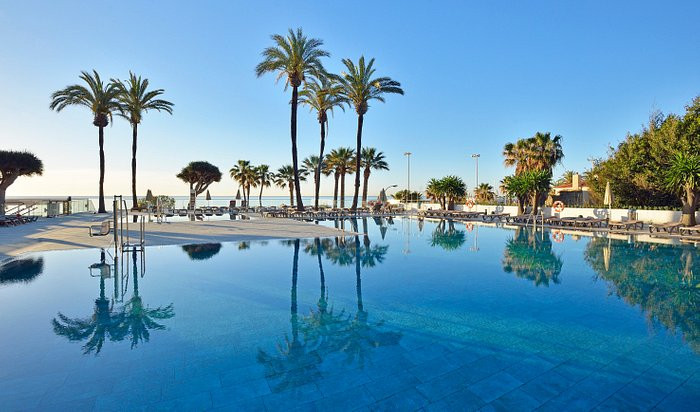
A New Era of Tourism
The Costa del Sol, a gem along Spain’s southern coastline, has long been a favorite destination for travelers seeking sun, sea, and culture. Known for its pristine beaches, luxury resorts, and vibrant nightlife, this Mediterranean paradise has become synonymous with summer holidays. July 2024 has brought some interesting developments in hotel occupation trends on the Costa del Sol, reflecting broader shifts in the tourism industry.
Record-Breaking Occupancy Rates
July 2024 has seen a surge in hotel occupancy rates across the Costa del Sol, reaching nearly 90%. This marks a significant increase from previous years, driven by a combination of factors, including post-pandemic travel recovery, enhanced tourism infrastructure, and the region's continued appeal to both international and domestic travelers.
Tourism authorities reported that some areas, particularly Marbella, Estepona, and Torremolinos, experienced occupancy rates close to 95%, with many hotels operating at full capacity during peak weekends. This surge has not only benefited high-end luxury resorts but also mid-range and budget accommodations, which have seen substantial bookings.
Factors Driving High Occupancy
Several factors have contributed to this spike in hotel occupancy:
- Post-Pandemic Travel Boom: As global travel restrictions eased and vaccination rates increased, there was a notable rebound in international tourism. Many travelers who postponed their vacations in 2020 and 2021 are now eager to make up for lost time, and the Costa del Sol is a top choice.
- Event Tourism: July 2024 has been a busy month for events on the Costa del Sol, with major music festivals, cultural events, and sporting competitions attracting visitors. Events like the Starlite Festival in Marbella and the Mediterranean Games in Málaga have been major draws, filling hotels and driving up occupancy rates.
- Investment in Infrastructure: Over the past few years, the Costa del Sol has seen significant investment in its tourism infrastructure. New hotels, renovations of existing properties, and improved transportation links, including the extension of high-speed rail connections, have made the region even more accessible and attractive.
- Sustainable Tourism Initiatives: There has been a growing emphasis on sustainable tourism in the region. Hotels and resorts that have adopted eco-friendly practices, such as reducing water usage, cutting down on single-use plastics, and promoting local products, have seen increased demand from environmentally conscious travelers.
- Return of Business Travel: After a sharp decline during the pandemic, business travel is making a comeback. Conferences, corporate retreats, and business meetings are once again being held in the region, contributing to the high hotel occupancy, particularly in Málaga and Marbella.
Challenges Amidst Success
While the high occupancy rates are a boon for the local economy, they also present challenges. The influx of tourists has put pressure on local resources, leading to concerns about overcrowding, environmental impact, and the sustainability of this growth. Local governments and businesses are increasingly focusing on balancing tourist numbers with preserving the region’s natural beauty and cultural heritage.
Additionally, the hospitality industry is grappling with staffing shortages. Despite the high demand, many hotels and restaurants are struggling to find enough workers, a lingering effect of the pandemic and changing labor market dynamics. This has led to increased wages but also higher operational costs, which could affect the sector's profitability in the long run.
Looking Ahead: The Future of Costa del Sol’s Tourism
The outlook for the Costa del Sol remains bright. With ongoing investments in tourism infrastructure, a growing focus on sustainable practices, and the region’s enduring appeal, the Costa del Sol is poised to maintain its status as a premier destination. However, the challenge will be to manage this growth responsibly, ensuring that the region can continue to thrive without compromising its natural and cultural assets.
July 2024 has underscored the resilience and adaptability of the Costa del Sol’s tourism industry. As the world continues to navigate the post-pandemic landscape, this region’s success story offers valuable insights into how traditional tourist destinations can evolve and flourish in a rapidly changing global environment.
Whether you're planning a luxury getaway, a family vacation, or a solo adventure, the Costa del Sol remains a destination that promises unforgettable experiences, now more than ever.